


As market participants eagerly await the next major price movement, leading analysts have outlined specific conditions that could propel Ethereum to reach $4,000 in the coming months. With institutional adoption accelerating and network upgrades enhancing scalability, the second-largest cryptocurrency by market capitalisation stands poised for a significant breakthrough. Understanding these critical factors can help investors navigate the evolving landscape and position themselves strategically for potential gains as Ethereum reaches $4,000, becoming an increasingly realistic scenario in 2025.
Ethereum’s Current Market Position
Ethereum has established itself as the backbone of decentralised finance (DeFi) and the broader blockchain ecosystem. Despite experiencing volatility throughout recent years, ETH has demonstrated remarkable resilience and technological advancement. The network’s transition to proof-of-stake through the Ethereum Merge fundamentally transformed its energy consumption profile and tokenomics, creating a deflationary pressure that analysts believe could contribute significantly to price appreciation.
Currently trading below the psychologically important $4,000 threshold, Ethereum faces both technical and fundamental catalysts that could trigger a substantial rally. Market observers note that the cryptocurrency’s price action often follows Bitcoin’s movements while maintaining unique drivers tied to network activity, DeFi total value locked (TVL), and non-fungible token (NFT) marketplace dynamics.
The question on every investor’s mind centres on what specific conditions must align for Ethereum to reach $4,000 again. Industry analysts have identified several key factors that could converge to create the perfect storm for this price milestone.
Key Conditions for Ethereum to Reach $4,000
Bitcoin’s Bullish Momentum and Market Sentiment
Analysts consistently emphasise the correlation between Bitcoin and Ethereum price movements. Historically, when Bitcoin enters a sustained bull run and breaks through major resistance levels, Ethereum reaching $4,000becomese significantly more probable. This relationship stems from Bitcoin’s role as the market leader and sentiment indicator for the entire cryptocurrency sector.
When Bitcoin demonstrates strength and attracts institutional capital, that positive sentiment typically cascades through the altcoin market, with Ethereum being the primary beneficiary. Analysts suggest that Bitcoin maintaining levels above $70,000 could create the market conditions necessary for Ethereum to challenge the $4,000 mark convincingly.
Furthermore, increased retail and institutional participation during Bitcoin rallies often results in portfolio diversification into Ethereum, given its established position as the second-largest cryptocurrency and its technological differentiation from Bitcoin’s store-of-value narrative.
Institutional Adoption and ETF Developments
The approval and success of spot Ethereum exchange-traded funds (ETFs) represents a game-changing catalyst that analysts believe could dramatically accelerate Ethereum’s reach $4,000 timelines. Following the precedent set by Bitcoin ETFs, institutional investment vehicles for Ethereum provide traditional finance participants with regulated exposure to the asset.
Analysts point to several institutional adoption metrics that could trigger the next major rally. These include sustained net inflows into Ethereum ETFs, announcements from major financial institutions regarding Ethereum integration, and corporate treasury allocations that include ETH alongside Bitcoin. Each of these developments reduces perceived risk and validates Ethereum’s position in institutional portfolios.
Major financial institutions like BlackRock, Fidelity, and other asset managers entering the Ethereum space with significant capital commitments could provide the buying pressure necessary to push prices toward $4,000. The institutional narrative around Ethereum focuses not just on price appreciation but on the network’s utility in powering decentralised applications and smart contract platforms.
Network Activity and DeFi Growth
One of the most fundamental conditions analysts identify for Ethereum to reach $4,000 involves sustained growth in network activity and decentralised finance ecosystems. Unlike purely speculative assets, Ethereum’s value proposition ties directly to its utility as a smart contract platform.
Analysts monitor several on-chain metrics that could signal an impending rally. These include daily active addresses, transaction volume, gas fees (indicating network demand), and total value locked in DeFi protocols. When these metrics show sustained upward trends, they indicate genuine utility-driven demand rather than purely speculative interest.
The DeFi sector, which predominantly operates on Ethereum, represents a multi-billion-dollar ecosystem. As DeFi protocols mature and attract more mainstream users, the demand for ETH increases both for transaction fees and as collateral within various protocols. Analysts suggest that DeFi TVL returning to previous all-time highs above $180 billion could provide significant support for Ethereum reaching $4,000 scenarios.
Additionally, the continued development and adoption of layer-2 scaling solutions like Arbitrum, Optimism, and Polygon enhance Ethereum’s value proposition by reducing transaction costs while maintaining security, potentially driving more users to the ecosystem.
Technical Analysis: Price Targets and Resistance Levels
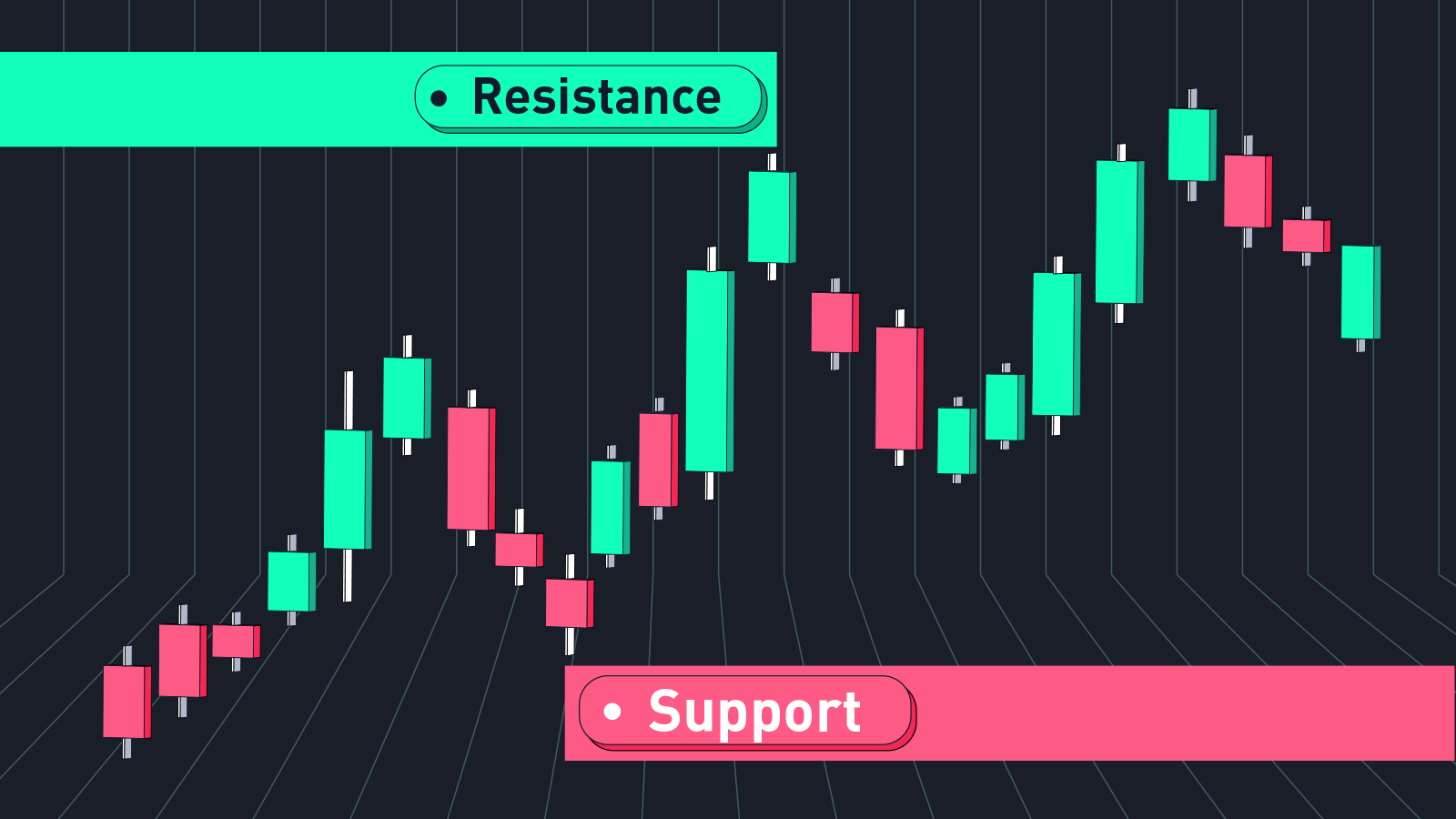
Chart Patterns and Key Resistance Zones
From a technical analysis perspective, analysts have identified critical price levels that Ethereum must overcome for Ethereum to reach $4,000. The journey toward this psychological milestone involves breaking through multiple resistance zones that have formed based on historical price action.
The first significant resistance typically appears around the $3,200-$3,400 range, where previous consolidation created supply zones. Successfully breaking above this area with strong volume would signal bullish momentum capable of targeting $4,000. Technical analysts emphasise that breakthroughs must be accompanied by increased trading volume to confirm genuine buying interest rather than temporary speculative spikes.
Moving averages play a crucial role in determining trend strength. Analysts note that Ethereum maintaining positions above key moving averages, particularly the 50-day and 200-day moving averages, indicates a bullish market structure. A “golden cross” scenario, where shorter-term moving averages cross above longer-term averages, often precedes significant rallies that could facilitate Ethereum reaching $4,000 outcomes.
Momentum Indicators and Market Cycles
Momentum indicators like the Relative Strength Index (RSI) and Moving Average Convergence Divergence (MACD) provide insights into potential price movements. Analysts suggest that RSI readings approaching overbought territory (above 70) during upward trends indicate strong buying pressure that could propel Ethereum toward $4,000.
However, experienced analysts caution against relying solely on technical indicators. They emphasise that cryptocurrency markets often exhibit different behavioural patterns compared to traditional assets, with fundamental catalysts sometimes overriding technical signals. The convergence of positive technical patterns with fundamental catalysts creates the highest probability scenarios for Ethereum to reach $4,000.
Market cycle analysis also plays a role in price predictions. Historically, Ethereum experiences cyclical patterns correlated with Bitcoin halving events and broader macroeconomic conditions. Understanding where Ethereum sits within these cycles helps analysts determine whether current conditions favour a rally toward $4,000 or require additional time for accumulation.
Macroeconomic Factors Influencing Ethereum’s Price
Interest Rates and Monetary Policy
Global macroeconomic conditions significantly impact cryptocurrency valuations, and analysts consistently highlight central bank policies as critical factors for Ethereum reaching $4,000 scenarios. Interest rate decisions by the Federal Reserve and other major central banks influence risk appetite across financial markets, including cryptocurrencies.
When interest rates decline or remain low, investors typically seek higher returns in alternative assets, including cryptocurrencies. Conversely, rising interest rates often trigger capital flight from riskier assets toward safer instruments like government bonds. Analysts monitoring Federal Reserve policy statements and inflation data incorporate these factors into their Ethereum price predictions.
The current macroeconomic environment, characterised by debates about inflation persistence and appropriate monetary policy responses, creates both opportunities and challenges for Ethereum. A pivot toward more accommodative monetary policy could unleash capital flows into risk assets, providing tailwinds for Ethereum to reach $4,000.
Regulatory Clarity and Government Policies
Regulatory developments represent one of the most impactful yet unpredictable factors affecting Ethereum’s price trajectory. Analysts emphasise that clear, favourable regulatory frameworks in major jurisdictions could remove significant uncertainty and unlock institutional capital currently sitting on the sidelines.
The United States, European Union, and Asian markets are all developing cryptocurrency regulatory frameworks. Positive regulatory clarity that recognises Ethereum’s utility while protecting investors could catalyse the conditions necessary for Ethereum to reach $4,000 scenarios. Conversely, restrictive regulations could dampen enthusiasm and delay price appreciation.
Analysts particularly focus on how regulators classify Ethereum—whether as a commodity, security, or unique digital asset category. The classification impacts what types of financial products can be built around Ethereum and which institutions can participate in the market, directly affecting demand and price dynamics.
Ethereum Network Upgrades and Technological Development
Upcoming Protocol Improvements
Ethereum’s roadmap includes several significant upgrades that analysts believe could create conditions favourable for Ethereum to reach $4,000. These technological improvements enhance network capabilities, reduce costs, and improve user experience, all of which drive adoption and value appreciation.
The implementation of EIP-4844 (proto-danksharding) represents a major milestone in Ethereum’s scaling roadmap. This upgrade dramatically reduces transaction costs on layer-2 networks, making Ethereum more competitive with alternative blockchain platforms. Analysts suggest that the successful implementation of major upgrades often correlates with price rallies as they demonstrate continued innovation and network improvement.
Additionally, ongoing research into complete sharding, improved validator economics, and enhanced security features keeps Ethereum at the forefront of blockchain technology. Each technological advancement reinforces Ethereum’s position as the leading smart contract platform and strengthens the fundamental case for higher valuations.
Competition from Alternative Blockchains
While Ethereum maintains dominance in the smart contract space, competition from platforms like Solana, Cardano, and newer entrants influences market dynamics. Analysts note that Ethereum’s ability to maintain or grow market share against competitors directly impacts whether Ethereum reach $4,0se.
However, many analysts argue that Ethereum’s first-mover advantage, established developer ecosystem, and network effects create formidable competitive moats. The vast majority of DeFi protocols, NFT marketplaces, and decentralised applications operate on Ethereum, creating a self-reinforcing cycle where developers build on Ethereum because users are there, and users stay because applications are there.
Ethereum’s response to competitive pressures through layer-2 scaling solutions and protocol upgrades demonstrates adaptability that analysts view favourably when projecting future price movements toward $4,000.
Investor Sentiment and Market Psychology
Fear and Greed Index Analysis
Market psychology plays an enormous role in cryptocurrency price movements, and analysts tracking the Crypto Fear and Greed Index gain insights into potential turning points. For Ethereum to reach $4,000, sentiment typically needs to shift from fear or neutral territory into greed, indicating widespread bullish conviction.
Historical analysis shows that Ethereum’s major rallies often begin when sentiment transitions from extreme fear to growing optimism. This psychological shift attracts new capital, creates FOMO (fear of missing out) among retail investors, and can become self-fulfilling as rising prices attract additional buyers.
Analysts caution that extreme greed can signal overheated markets vulnerable to corrections. The ideal scenario for sustainable growth toward $4,000 involves gradually improving sentiment supported by fundamental developments rather than purely speculative mania.
Whale Activity and Large Holder Behaviour
On-chain analytics revealing whale activity provide valuable insights into whether conditions favour Ethereum reaching $4,000 outcomes. Large holders (whales) with significant ETH positions can influence market dynamics through their buying and selling behaviour.
Analysts monitor whale accumulation patterns, exchange inflows and outflows, and large transaction volumes for signals about smart money positioning. Sustained accumulation by whales often precedes major rallies, as these sophisticated investors typically have access to information and analysis that informs their positioning ahead of retail market participants.
Conversely, significant whale distribution can signal profit-taking and potential resistance to further price appreciation. Understanding these dynamics helps analysts assess the probability and timing of Ethereum reaching the $4,000 milestone.
Historical Context: Previous $4,000 Breaches
Lessons from Past Bull Cycles
Ethereum has previously surpassed $4,000, reaching an all-time high above $4,800 in November 2021. Analysing the conditions that existed during that rally provides valuable context for understanding what might trigger similar price action in the future. Analysts examining that period identify several common factors that could repeat.
During the 2021 bull run, Ethereum benefited from explosive DeFi growth, the NFT boom, institutional adoption narratives, and accommodative monetary policy. The convergence of multiple bullish catalysts created conditions where Ethereum reached $4,000 occurred relatively quickly once momentum built.
However, analysts also note key differences between current market conditions and the 2021 environment. Today’s market benefits from improved infrastructure, greater institutional participation through ETFs, and more mature DeFi ecosystems, but faces different macroeconomic headwinds and increased competition.
What’s Different This Time
One crucial difference analysts highlight involves Ethereum’s tokenomics post-Merge. The transition to proof-of-stake, combined with EIP-1559’s fee-burning mechanism, creates deflationary pressure absent during previous rallies. This fundamental change means supply dynamics now favour price appreciation, potentially making Ethereum to reach $4,000 more sustainable when it occurs.
Additionally, the cryptocurrency market has matured significantly since 2021. Improved custody solutions, regulatory clarity in some jurisdictions, and institutional-grade financial products reduce barriers to entry for traditional finance participants. These structural improvements suggest that the next rally could have different characteristics, potentially more gradual but more sustainable.
Expert Predictions and Price Targets
Bullish Analyst Projections
Prominent cryptocurrency analysts have published various price targets and timelines for Ethereum to reach $4,000 scenarios. These predictions range from conservative estimates suggesting 6-12 months to more aggressive forecasts anticipating the milestone within quarters.
Bullish analysts often cite Ethereum’s improving fundamentals, upcoming network upgrades, and potential for increased institutional adoption as primary drivers. Some high-profile analysts project that Ethereum could not only reach $4,000 but potentially exceed previous all-time highs, targeting $5,000 or beyond if conditions align favourably.
These optimistic projections typically assume several positive catalysts converging: Bitcoin leading a broader cryptocurrency bull market, successful Ethereum network upgrades, growing DeFi adoption, and favourable macroeconomic conditions, including lower interest rates.
Cautious and Bearish Perspectives
Not all analysts share bullish conviction about near-term prospects for Ethereum to reach $4,000. More cautious analysts emphasise potential headwinds, including macroeconomic uncertainty, regulatory risks, and technical resistance levels that could prevent or delay significant price appreciation.
Bearish perspectives often highlight that cryptocurrency markets remain speculative and volatile, with numerous factors beyond Ethereum’s control influencing price. These analysts suggest that without clear catalysts, Ethereum might consolidate at current levels for extended periods before attempting to challenge $4,000.
Balanced analysis acknowledges both bullish potential and downside risks, emphasising that cryptocurrency investing requires careful risk management and realistic expectations regardless of price predictions.
Investment Strategies for the $4,000 Target
Accumulation and Dollar-Cost Averaging
For investors who believe Ethereum reaching $4,000 represents a realistic target, accumulation strategies during periods of consolidation or weakness can position portfolios for potential gains. Dollar-cost averaging, where investors purchase fixed amounts at regular intervals, helps mitigate volatility risk while building positions.
Analysts often recommend avoiding attempting to time perfect entry points, as cryptocurrency markets can move rapidly and unpredictably. Instead, systematic accumulation based on conviction in long-term fundamentals provides a disciplined approach to building Ethereum exposure.
However, analysts universally emphasise that cryptocurrency investments should represent only a portion of diversified portfolios appropriate to individual risk tolerance and financial situations. The volatility inherent in cryptocurrency markets means investors should only allocate capital they can afford to lose.
Risk Management Considerations
Proper risk management becomes essential when investing based on price target expectations, like Ethereum $4,000. Analysts recommend setting clear profit-taking levels, stop-loss orders to protect capital, and position sizing appropriate to the overall portfolio strategy.
Diversification within cryptocurrency holdings can also reduce risk. While Ethereum represents a compelling investment thesis, concentrating entire portfolios in a single asset exposes investors to idiosyncratic risks. Balancing Ethereum holdings with Bitcoin, stablecoins, and other cryptocurrencies can optimise risk-adjusted returns.
Additionally, investors should maintain awareness of tax implications, custody security, and the potential for regulatory changes that could impact cryptocurrency holdings. These practical considerations complement the analysis of whether Ethereum will reach $4,000.
The Role of Layer-2 Solutions in Price Appreciation
Scaling Success and Network Effects
Layer-2 scaling solutions built on Ethereum fundamentally enhance the network’s value proposition and could contribute significantly to conditions enabling Ethereum to reach $4,000. These solutions process transactions off the main Ethereum chain while inheriting its security, dramatically reducing costs and increasing throughput.
As layer-2 networks like Arbitrum, Optimism, and Base attract users and applications, they drive demand for ETH in multiple ways. Users need ETH to bridge assets to layer-2s, applications require ETH for various functions, and the overall growth of the Ethereum ecosystem increases network effects that support valuation.
Analysts monitoring layer-2 adoption metrics, including total value locked, daily transactions, and unique users, consider these indicators when assessing whether fundamental conditions support Ethereum reaching $4,000. Rapid layer-2 growth suggests the Ethereum ecosystem is successfully addressing scalability challenges that previously limited adoption.
Innovation in the Ethereum Ecosystem
Continuous innovation within the Ethereum ecosystem creates new use cases and drives adoption beyond initial DeFi and NFT applications. Emerging sectors like decentralised social media, on-chain gaming, real-world asset tokenisation, and decentralised identity solutions all build on the Ethereum infrastructure.
Each new application vertical that gains traction increases utility demand for ETH, supporting the fundamental case for price appreciation toward $4,000. Analysts particularly focus on applications that could achieve mainstream adoption beyond cryptocurrency-native users, as these represent significant growth opportunities.
The upcoming innovations in account abstraction, improved wallet experiences, and easier onboarding processes could lower barriers to entry for non-technical users, potentially unlocking new waves of adoption that support Ethereum to reach $4,000.
Global Adoption Trends and Regional Developments
Institutional Integration Across Regions
Different geographic regions show varying levels of Ethereum adoption and integration, with each contributing to the broader narrative around whether Ethereum reaching $4,000 becomes a reality. North American institutional adoption through ETFs and corporate treasuries provides significant capital inflows and legitimacy.
European markets demonstrate strong interest in Ethereum-based DeFi applications and blockchain innovation generally. Asian markets, particularly in jurisdictions with progressive cryptocurrency policies, contribute substantial trading volume and development activity to the Ethereum ecosystem.
Analysts tracking global adoption patterns note that geographic diversification in Ethereum’s user base and development community creates resilience against localised regulatory challenges or economic downturns. This global footprint supports long-term value appreciation toward targets like $4,000.
Emerging Market Opportunities
Emerging markets represent potentially massive growth opportunities for Ethereum adoption. In regions with unstable local currencies, limited banking infrastructure, or restrictions on capital movement, Ethereum and stablecoins built on Ethereum provide alternative financial systems.
As smartphone penetration increases in developing economies and internet access expands, millions of potential new users could access Ethereum-based financial services. This demographic trend could create sustained demand growth supporting Ethereum to reach $4,000 and beyond over longer timeframes.
Analysts emphasising this narrative suggest that Ethereum’s true potential extends beyond speculative investment, positioning it as foundational infrastructure for a more inclusive global financial system.
Conclusion
The comprehensive analysis of conditions necessary for Ethereum to reach $4,000 reveals a complex interplay of technical, fundamental, and macroeconomic factors. While no single catalyst guarantees this outcome, the convergence of multiple positive developments—including Bitcoin strength, institutional adoption through ETFs, robust network activity, favourable regulatory clarity, and successful technological upgrades—could create the momentum necessary to achieve this milestone.
Investors and market participants should approach Ethereum reaching $4,000 predictions with balanced perspectives, acknowledging both the legitimate fundamental improvements supporting higher valuations and the inherent uncertainty in cryptocurrency markets. The conditions outlined by analysts provide a roadmap for monitoring progress toward this target, but market dynamics remain fluid and subject to rapid change.
Read More: Ethereum Core Developer Criticises Vitalik Buterin’s Influence
