

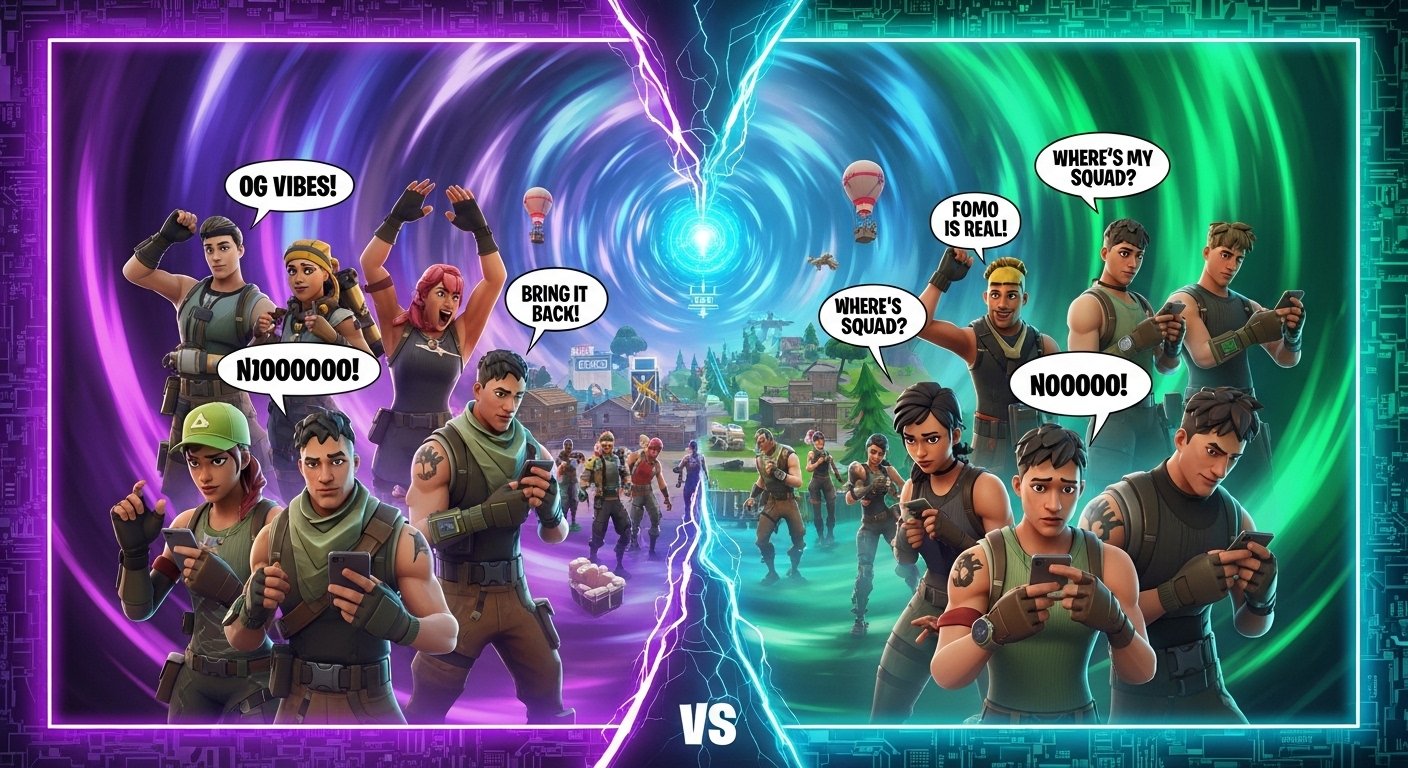
Few games generate emotional reactions as intensely or as consistently as Fortnite. Over the years, it has evolved from a fast-rising battle royale experiment into a cultural platform that blends competition, creativity, music, fashion, and live events. Because millions of players have grown up alongside it, even small design changes can feel deeply personal. Recently, that sensitivity came roaring back when an early lobby concept began circulating, igniting passionate discussions across social media.
The reaction was immediate. Some players felt a wave of nostalgia, remembering late nights, early victories, and friendships formed in simpler times. Others worried that revisiting older aesthetics might overshadow progress or distort memory. Within hours, the community split between those thrilled by the possibility of revival and those urging caution. What united both sides, however, was intensity. The concept triggered undeniable fear of missing out, the emotional engine that has always powered engagement in live-service games.
At the heart of the debate lies a familiar tension between past and future. Players cherish memories, yet they also crave innovation. They want comfort but demand surprise. When developers hint at returning elements, expectations skyrocket. Suddenly, imagination runs ahead of reality, and speculation becomes a spectacle of its own.
This article explores why the idea of an early lobby struck such a nerve, how nostalgia influences perception, and why FOMO can both strengthen and destabilize community harmony. We will look at player engagement, live-service design, and the psychology behind digital memory. By understanding these dynamics, it becomes easier to see why a simple concept image can dominate conversation for days.
Why the Lobby Matters More Than It Seems
To outsiders, a lobby might appear trivial. It is merely the waiting room before the match begins. For players, though, it represents identity and anticipation. It is the space where squads gather, cosmetics are displayed, and the emotional tone of a session is set.
Because of this symbolic importance, changes to the lobby resonate powerfully.
A Social Hub Before the Storm
Before the action starts, friends chat, compare outfits, and plan strategies. These moments become rituals. Over time, they embed themselves into memory as strongly as the battles themselves. An early design therefore carries emotional weight far beyond its functional role.
Visual Language of an Era
Colors, music, and menus communicate the spirit of a season. When people see older layouts, they recall how the game felt at that moment in their lives. That connection fuels the current divide.
The Power of Nostalgia in Fortnite Culture
Nostalgia is not simply remembering; it is selective remembering. Players often filter out frustrations while amplifying excitement. When an early lobby concept resurfaces, it can feel like rediscovering a treasured photograph.
This emotional shortcut intensifies reaction.
Memory Versus Reality
Veteran players sometimes admit that older versions had flaws. Yet distance softens those imperfections. The past becomes polished, making any modern comparison challenging.
Community Bonding
Shared memories create belonging. When thousands express the same longing, they reinforce each other’s feelings, magnifying FOMO.
How FOMO Drives Engagement
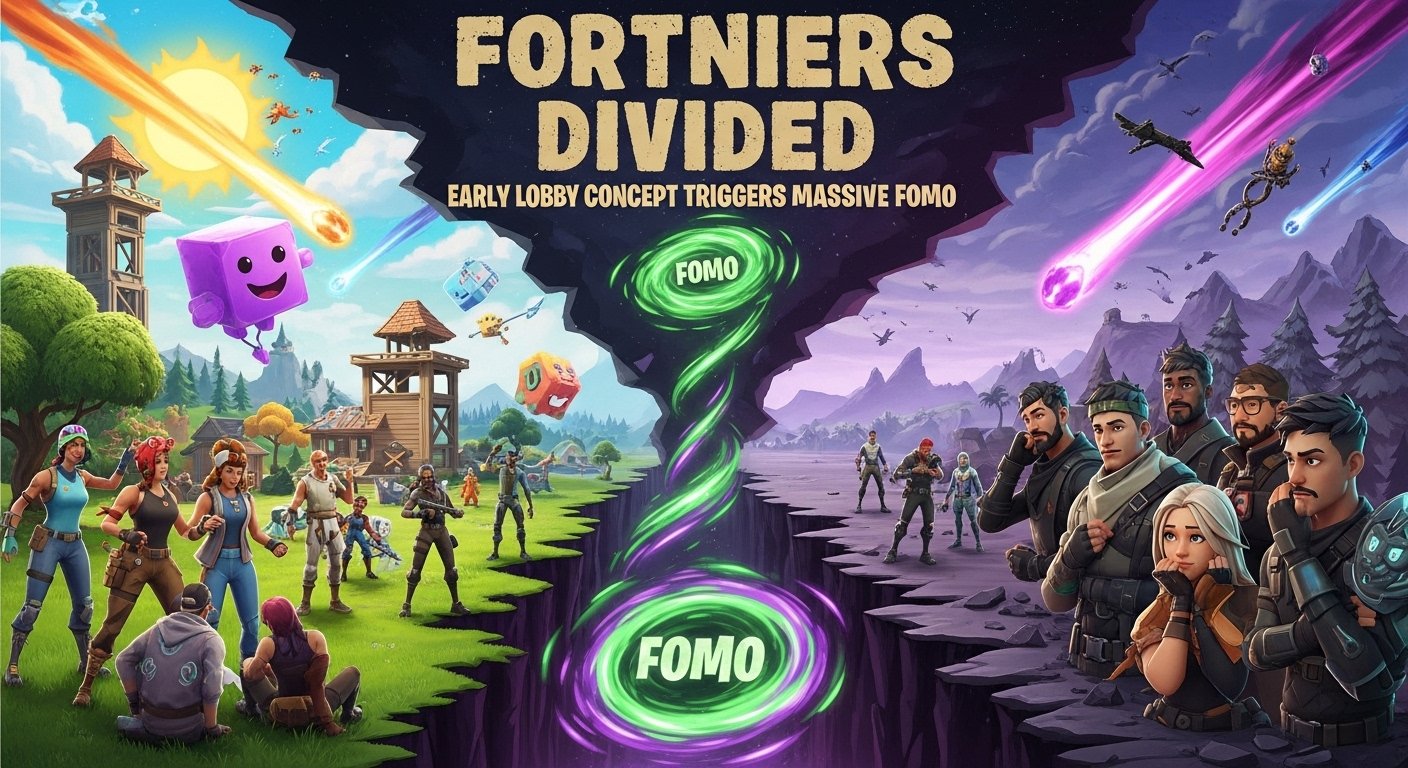
Fear of missing out is central to live-service success. Limited skins, timed events, and evolving maps encourage frequent returns. The possibility that something special might vanish motivates participation.
The early lobby conversation taps directly into that mechanism.
Urgency Amplified by Speculation
Even without confirmation, rumors create pressure. Players imagine what might happen and worry about being absent if it does.
Emotional Momentum
As more people discuss the topic, the sensation of importance grows. Silence begins to feel like exclusion.
Epic Games and the Art of Managing Expectations
Epic Games has mastered spectacle. From crossovers to concerts, the studio understands how to generate anticipation. Yet this skill also creates challenges. High expectations can turn quickly into disappointment if reality diverges from fantasy.
Balancing hype with clarity becomes delicate.
Reading Community Signals
Developers monitor reactions carefully. They learn which ideas excite and which create anxiety. The lobby debate offers valuable insight.
The Risk of Overinterpretation
Sometimes players project intentions that were never promised. Managing these projections requires thoughtful communication.
Divided Opinions: Celebration or Step Back?
Not everyone sees revival as positive. Some argue that revisiting earlier aesthetics might slow innovation. They fear the game could become trapped by its own history.
This viewpoint adds complexity to the conversation.
Progress Advocates
Supporters of change emphasize how much Fortnite has grown. They prefer forward momentum over retrospection.
Preservationists
Others believe honoring roots strengthens identity. For them, the early lobby symbolizes authenticity.
Social Media Amplification
Platforms like Twitter, Reddit, and YouTube transformed the concept into a viral phenomenon. Creators dissected images, compared timelines, and proposed theories. Each post attracted new waves of commentary.
The speed of amplification left little room for nuance.
Algorithmic Momentum
High engagement pushes topics to wider audiences, ensuring continued visibility.
Influencer Dynamics
When prominent voices weigh in, opinions harden. Fans align with trusted personalities.
Psychological Ownership of the Game
Long-term players often feel a sense of stewardship. They believe their memories and feedback should shape development. An early lobby concept can therefore feel like recognition or, alternatively, manipulation.
Emotions run high because identity is involved.
Investment of Time
Years of participation build attachment. People want their experiences respected.
Desire for Validation
Seeing familiar elements return can feel like affirmation of loyalty.
The Business Side of Nostalgia
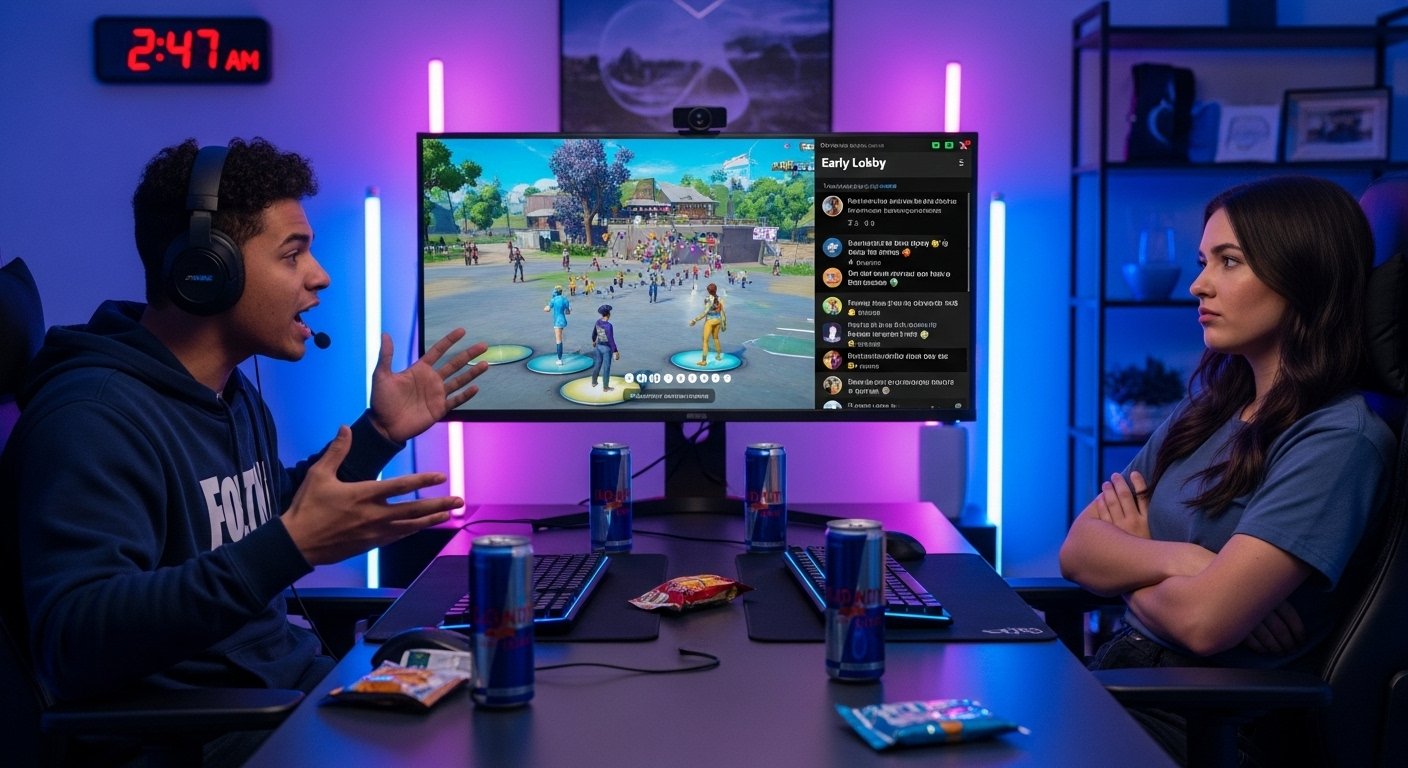
From a commercial perspective, revisiting earlier aesthetics can reignite interest. Former players might return, curious to relive experiences. At the same time, developers must ensure new audiences feel included.
Balancing these goals is complex.
Re-engagement Potential
Memories are powerful marketing tools.
Inclusivity Challenges
Newcomers may not share the same emotional references.
Innovation Versus Memory
Creative teams face a constant dilemma. Too much change risks alienation; too little can produce stagnation. The lobby debate embodies this tension perfectly.
Finding harmony is ongoing work.
Hybrid Approaches
Blending modern features with classic elements might satisfy multiple groups.
Iterative Experimentation
Testing variations allows developers to measure response.
Community Identity in Flux
As Fortnite expands into concerts, creative modes, and cross-media experiences, its identity evolves. Some players celebrate this breadth, while others miss the focus of earlier years.
The early lobby symbolizes that crossroads.
Expanding Definitions
What counts as Fortnite today is broader than ever.
Emotional Anchors
Older designs serve as reference points amid change.
Communication Strategies Moving Forward
Clear messaging can reduce misunderstanding. If developers explain intentions, speculation may soften. Transparency does not eliminate disagreement, but it can build trust.
Setting Realistic Expectations
Outlining possibilities prevents runaway assumptions.
Encouraging Dialogue
Inviting feedback helps players feel heard.
Conclusion:
The debate over the early lobby concept reveals how deeply players care. What might seem cosmetic actually touches memory, identity, and belonging. FOMO arises because people want to remain connected to moments that shaped them.
For Epic Games, the challenge lies in honoring history without sacrificing evolution. For players, it involves recognizing that memory and innovation can coexist. As conversations continue, the community demonstrates the very passion that keeps Fortnite alive year after year.
Q: Why did the early lobby concept create such intense reactions among players?
It tapped directly into nostalgia and personal history. Many players associate earlier designs with meaningful experiences, friendships, and milestones. When those visuals reappear, emotions resurface quickly, making the discussion feel larger than a simple interface change.
Q: Is fear of missing out always negative for the community?
Not necessarily. FOMO can motivate participation and excitement, strengthening engagement. However, when expectations become unrealistic, it may lead to disappointment or conflict. Balance is essential.
Q: How might developers address divisions within the player base?
They can communicate intentions clearly, experiment with limited-time modes, and seek feedback from diverse groups. Demonstrating respect for different perspectives helps maintain trust even when consensus is impossible.
Q: Could revisiting old designs attract former players back to the game?
Yes, nostalgia often encourages people to reconnect with experiences they enjoyed. Seeing familiar elements might inspire them to return and explore how the game has changed since they last played.
Q: What does this debate reveal about Fortnite’s future?
It shows that the game has matured into a cultural space where memory matters as much as mechanics. Navigating that responsibility will shape how the platform evolves and how communities continue to form around it.
