

Bitcoin Japan rate hike scenario. As the Bank of Japan signals possible shifts in its ultra-loose monetary policy, investors worldwide are scrambling to understand what this means for digital assets. The narrative dominating financial media suggests that unwinding the infamous yen carry trade could trigger a catastrophic cascade across crypto markets. However, this alarm may be largely misplaced. While the Bitcoin Japan rate hike connection deserves attention, the real threats to cryptocurrency stability lie in entirely different corners of the global financial system. Understanding the nuanced relationship between Japanese monetary policy and Bitcoin requires separating sensationalist headlines from economic reality.
Bitcoin Japan Rate Hike Connection
What Is The Bank of Japan Rate Hike?
The Bank of Japan has maintained one of the world’s most accommodative monetary policies for decades, keeping interest rates at or near zero since the late 1990s. A Bitcoin Japan rate hike discussion centers on the central bank’s potential departure from this longstanding approach. Recent economic developments, including rising inflation and wage growth in Japan, have prompted policymakers to consider normalizing interest rates.
For cryptocurrency investors, understanding Japanese monetary policy matters because Japan represents one of the world’s largest economies and has historically been a significant player in crypto markets. Japanese traders were among the earliest Bitcoin adopters, and the country’s regulatory framework has influenced global crypto standards.
The Mechanics Behind Rate Changes
When the Bank of Japan raises interest rates, it increases the cost of borrowing yen. This seemingly simple action creates ripple effects throughout global financial markets. Higher Japanese rates make yen-denominated assets more attractive to international investors, potentially strengthening the currency and altering capital flows across borders.
The Bitcoin Japan rate hike correlation stems from how these capital flows intersect with cryptocurrency investment strategies. Many institutional and retail investors have historically borrowed cheap yen to invest in higher-yielding assets, including cryptocurrencies. A rate increase theoretically makes this strategy less profitable, potentially reducing demand for Bitcoin and other digital assets.
The Yen Carry Trade Explained
How The Carry Trade Works
The yen carry trade represents one of the financial world’s most popular arbitrage strategies. Investors borrow yen at Japan’s rock-bottom interest rates, convert those funds into other currencies, and invest in higher-yielding assets elsewhere. The profit comes from the difference between the low borrowing cost and the higher investment returns.
This strategy flourished for years as Japan maintained zero or negative interest rates while other major economies offered significantly higher yields. Cryptocurrencies, with their potential for substantial returns, became attractive targets for carry trade funds. The Bitcoin Japan rate hike concern revolves around what happens when this profitable arrangement unravels.
The Unwind Narrative
Financial commentators have painted an apocalyptic picture of carry trade unwinding. The theory suggests that a Bitcoin Japan rate hike would force investors to rapidly close their positions, selling off assets to repay yen-denominated loans. This mass liquidation could theoretically trigger a cascade of selling pressure across multiple asset classes, including cryptocurrencies.
The narrative gained traction during previous market volatility episodes when correlations between yen strength and crypto weakness appeared evident. However, this surface-level correlation may obscure more complex underlying dynamics.
Why The Yen Carry Trade Alarm Is Overblown
Limited Crypto Exposure In Traditional Carry Trades
The first major flaw in the Bitcoin Japan rate hike panic narrative involves the actual size of crypto exposure in traditional yen carry trades. Institutional carry trade strategies predominantly focus on established asset classes like government bonds, corporate debt, and equity markets. Cryptocurrency remains a relatively small component of carry trade portfolios.
Most major financial institutions conducting carry trades operate under strict risk management frameworks and regulatory constraints that limit cryptocurrency exposure. The notion that unwinding these positions would create overwhelming selling pressure in crypto markets significantly overstates crypto’s role in the carry trade ecosystem.
Market Maturity And Liquidity Improvements
Bitcoin and major cryptocurrencies have evolved substantially since previous market stress episodes. The Bitcoin Japan rate hike impact today would likely differ dramatically from similar scenarios five or ten years ago due to improved market infrastructure.
Cryptocurrency exchanges now offer deeper liquidity, more sophisticated trading mechanisms, and better risk management tools. The market can absorb larger transactions without the extreme volatility that characterized earlier periods. Additionally, the diversification of crypto investors beyond speculative traders to include long-term holders and institutional allocators provides stability buffers.
Gradual Policy Implementation
The Bank of Japan has repeatedly emphasized that any monetary policy normalization would proceed gradually and with clear communication to markets. A Bitcoin Japan rate hike wouldn’t materialize as a shock event but rather as a telegraphed, incremental process.
This gradualism allows market participants to adjust positions over time rather than engaging in panic liquidations. Sophisticated investors conducting carry trades typically hedge their currency exposure and maintain flexible position management strategies. The catastrophic unwind scenario assumes irrational behavior that contradicts how professional market participants actually operate.
Historical Evidence Challenges The Narrative
Examining previous instances when Japanese monetary policy shifted provides instructive lessons. Past tightening attempts by the Bank of Japan, while limited, did not correlate with sustained cryptocurrency market crashes. The Bitcoin Japan rate hike connection appears weaker when scrutinized through historical data.
Bitcoin has demonstrated resilience during various macroeconomic shifts, often moving independently of traditional financial market dynamics. While short-term volatility may occur around policy announcements, attributing long-term crypto trends primarily to Japanese monetary policy oversimplifies a multifaceted market.
Where The Real Risks Actually Lie

United States Monetary Policy And Regulatory Pressure
While attention focuses on the Bitcoin Japan rate hike scenario, significantly more substantial risks emanate from the United States. American monetary policy, particularly Federal Reserve decisions on interest rates and quantitative tightening, exerts far greater influence on global cryptocurrency markets.
The United States hosts the world’s largest cryptocurrency trading volumes, most major crypto companies, and sets regulatory precedents that other jurisdictions often follow. Federal Reserve policy directly impacts the dollar’s strength, which remains the dominant currency pair for Bitcoin trading. Tightening dollar liquidity conditions pose more immediate challenges to crypto valuations than Japanese rate adjustments.
Furthermore, regulatory developments in the United States carry enormous weight. Securities and Exchange Commission enforcement actions, proposed legislation on stablecoin regulation, and banking system access for crypto companies create fundamental uncertainties that dwarf the Bitcoin Japan rate hike concerns.
Banking Sector Vulnerabilities
The cryptocurrency ecosystem’s relationship with traditional banking represents a critical vulnerability often overshadowed by carry trade discussions. Access to banking services enables fiat on-ramps and off-ramps essential for crypto market functioning. When banks face stress or regulatory pressure regarding crypto exposure, the impacts can be severe and immediate.
Recent banking sector troubles have demonstrated how quickly crypto market access can deteriorate when financial institutions retreat from the space. These systemic banking risks, particularly in the United States and Europe, present more tangible threats than the theoretical Bitcoin Japan rate hike scenarios dominating headlines.
Stablecoin Stability And Regulatory Clarity
Stablecoins serve as the circulatory system of cryptocurrency markets, facilitating the vast majority of trading activity and acting as safe harbors during volatility. Questions about stablecoin backing, regulatory treatment, and systemic risks pose existential challenges to current market structure.
A major stablecoin failure or draconian regulatory restrictions would cause far more disruption than any Bitcoin Japan rate hike related carry trade unwind. The concentration of crypto trading around a handful of stablecoin issuers creates single points of failure that deserve more attention than they currently receive in risk assessments.
Exchange Solvency And Custody Risks
The collapse of major cryptocurrency exchanges has repeatedly demonstrated that counterparty risk remains endemic to the industry. Exchange insolvencies, whether from fraud, mismanagement, or security breaches, have caused more market trauma than any macroeconomic policy shifts.
While the Bitcoin Japan rate hike narrative focuses on external market forces, internal ecosystem fragilities often prove more devastating. The concentration of assets on centralized platforms, inadequate proof-of-reserve practices, and weak custody standards create vulnerabilities independent of Japanese monetary policy.
Geopolitical Tensions And Capital Controls
Escalating geopolitical tensions, particularly involving major economies, pose underappreciated risks to cryptocurrency markets. Capital controls, sanctions regimes, and financial system weaponization could dramatically impact crypto’s utility and accessibility.
These geopolitical dynamics operate on entirely different scales than the Bitcoin Japan rate hike considerations. A major conflict disrupting international payment systems or prompting widespread capital controls could simultaneously increase cryptocurrency demand while making it more difficult to access and use.
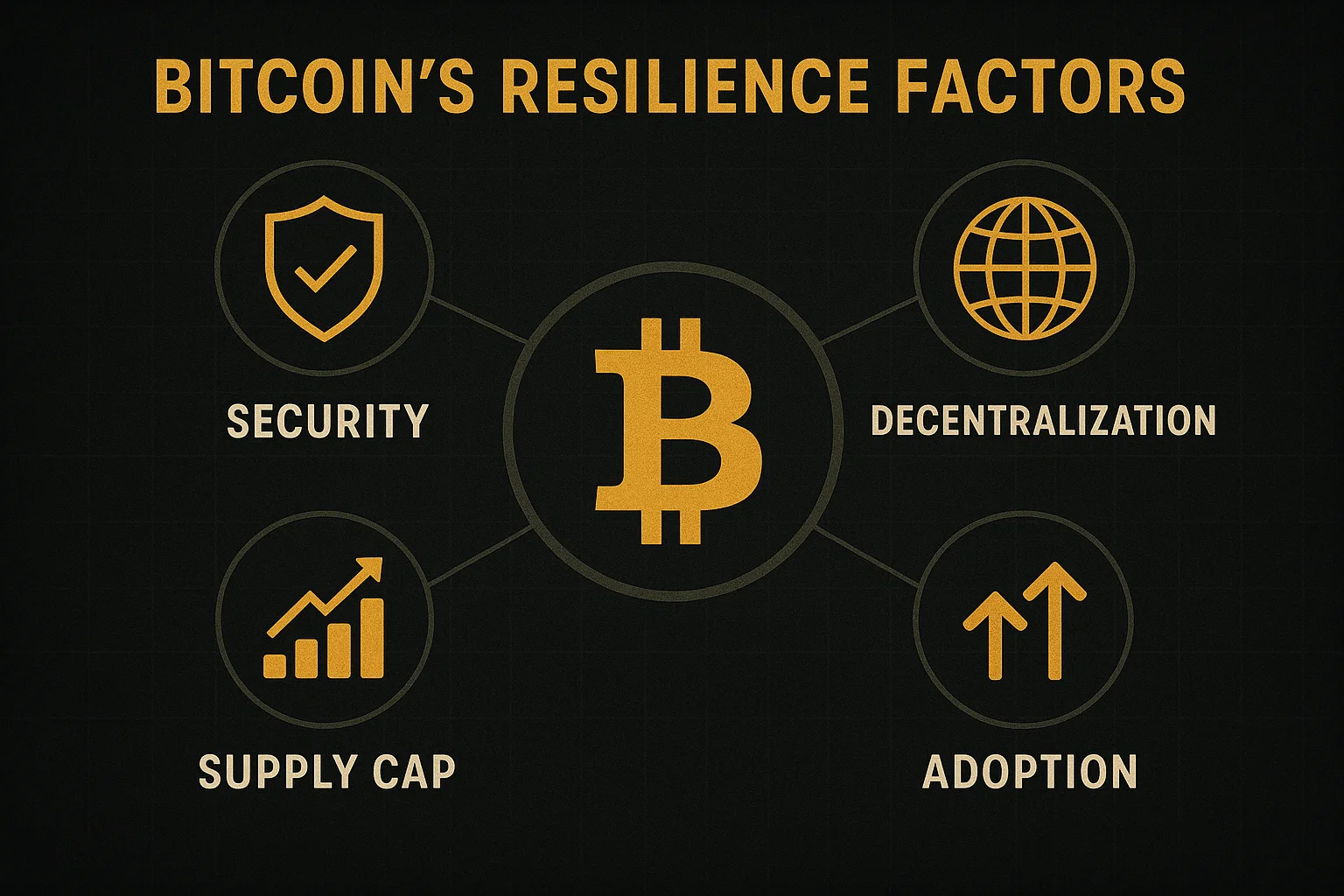
Bitcoin’s Resilience Factors
Decentralization As A Hedge
Bitcoin’s fundamental value proposition includes resistance to centralized control and monetary manipulation. This characteristic becomes more valuable, not less, during periods of monetary policy uncertainty. A Bitcoin Japan rate hike that strengthens yen and creates traditional market volatility might paradoxically enhance Bitcoin’s appeal as a non-sovereign store of value.
The network’s decentralized architecture means it operates independently of any single nation’s monetary decisions. While price may fluctuate in response to macro events, Bitcoin’s core functionality remains unaffected by Bank of Japan policies.
Growing Institutional Adoption
Institutional cryptocurrency adoption has progressed substantially, creating new stability mechanisms. Major asset managers now offer Bitcoin investment products, corporations hold Bitcoin on balance sheets, and pension funds explore crypto allocations. This institutional presence provides support levels that didn’t exist during earlier volatility episodes.
The Bitcoin Japan rate hike impact must be evaluated within this evolved landscape where sophisticated institutions apply rigorous analysis rather than panic reactions. These players typically maintain longer time horizons and more nuanced risk management than the retail-dominated markets of crypto’s early years.
Supply Dynamics And Halving Cycles
Bitcoin’s programmed supply schedule operates independently of external financial conditions. The halving cycle, which reduces new Bitcoin issuance approximately every four years, creates supply constraints regardless of Japanese monetary policy or carry trade dynamics.
Many analysts believe Bitcoin’s supply-demand fundamentals ultimately override short-term macro noise. The Bitcoin Japan rate hike concerns fade in importance when considered against Bitcoin’s fixed 21 million supply cap and increasing adoption trends.
Navigating The Actual Risk Landscape
Diversification Strategies
Rather than obsessing over the Bitcoin Japan rate hike scenario, cryptocurrency investors should implement comprehensive risk management through diversification. This includes diversifying across different cryptocurrencies, maintaining traditional asset allocations, and ensuring adequate liquidity reserves.
Geographic diversification also matters. Overconcentration in jurisdictions facing heightened regulatory uncertainty increases vulnerability. Understanding where your assets are custodied and which legal frameworks govern them provides essential risk awareness.
Monitoring The Right Indicators
Sophisticated crypto investors track metrics beyond simplistic carry trade narratives. On-chain data, exchange reserve levels, institutional flow patterns, and regulatory developments offer more actionable insights than speculation about Bank of Japan policy meetings.
While the Bitcoin Japan rate hike discussion merits some attention within a comprehensive macro analysis, it shouldn’t dominate risk assessments. The indicators that matter most relate directly to cryptocurrency ecosystem health rather than indirect second-order effects from Japanese monetary policy.
Long-Term Perspective
Bitcoin’s history spans multiple monetary policy cycles, regulatory crackdowns, exchange failures, and market crashes. Throughout these episodes, the network has continued operating and generally trended upward over multi-year timeframes. Maintaining a long-term perspective helps avoid panic reactions to overblown short-term narratives.
The Bitcoin Japan rate hike alarm represents just the latest in a long series of predicted catastrophes that ultimately proved manageable. While prudent investors remain aware of legitimate risks, they also recognize the difference between genuine threats and sensationalized fear-mongering.
Conclusion
The Bitcoin Japan rate hike narrative, particularly concerning yen carry trade unwinding, has captured disproportionate attention relative to its actual threat level. While Japanese monetary policy changes warrant monitoring as part of comprehensive macro analysis, the catastrophic scenarios frequently portrayed lack supporting evidence and ignore market evolution.
Genuine risks to cryptocurrency markets exist in abundance: regulatory uncertainty in major jurisdictions, banking system access challenges, stablecoin vulnerabilities, exchange counterparty risk, and geopolitical tensions. These tangible threats deserve the attention currently lavished on carry trade speculation.
Read More: Bitcoin Price Correction: 30% Drop Is Normal, History Shows
