

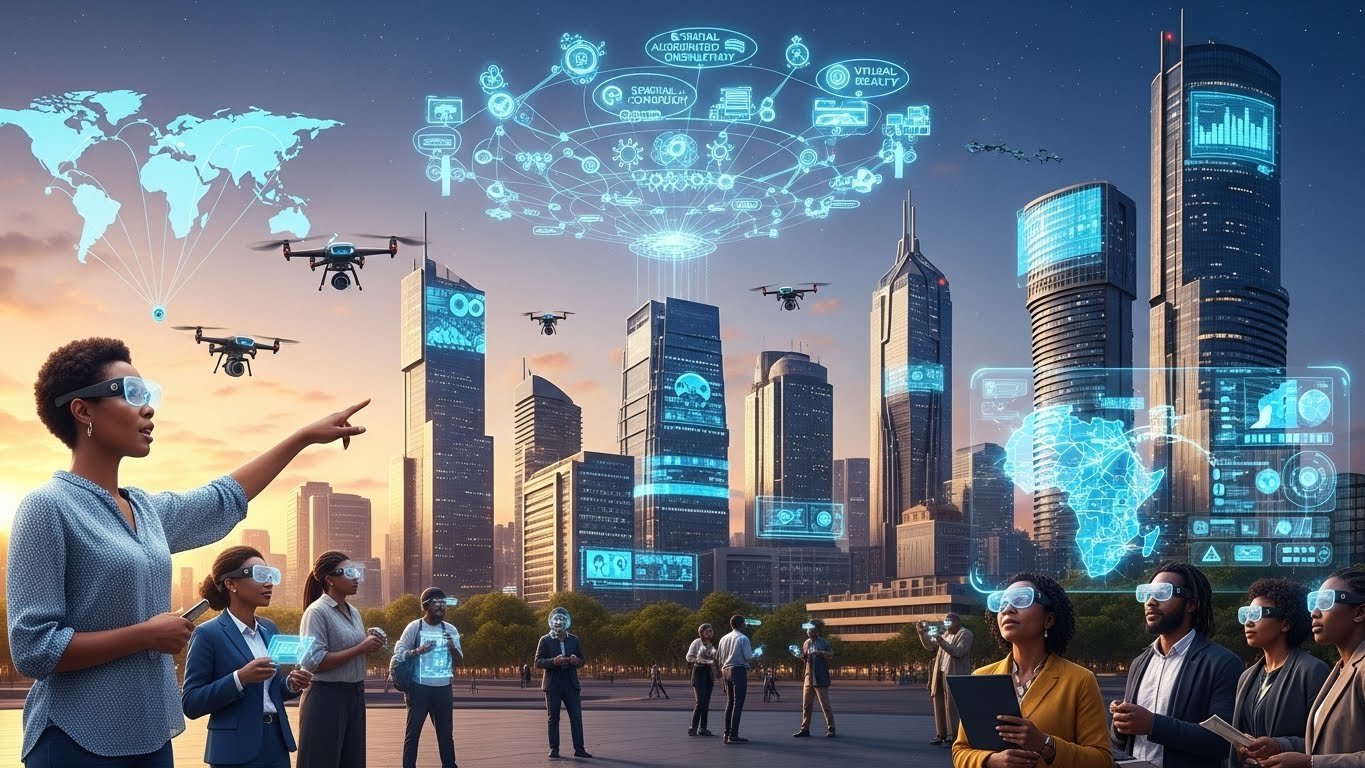
Africa stands at a critical moment in its digital evolution. Over the past two decades, the continent has leapfrogged traditional development stages in areas such as mobile banking, digital payments, and online entrepreneurship. Now, a new technological wave is emerging, one that blends the physical and digital worlds through immersive experiences, virtual environments, and intelligent spatial awareness. This wave is defined by spatial computing and the metaverse, two interconnected concepts that could redefine how Africans work, learn, trade, and socialize.
The question is not whether spatial computing and the metaverse will shape the future, but whether Africa can fully unlock their potential in a way that aligns with its unique socio-economic realities. With a young population, rapidly growing tech ecosystems, and increasing internet penetration, Africa appears well-positioned to participate in this transformation. At the same time, challenges such as infrastructure gaps, affordability, and policy readiness remain significant.
Africa can fully unlock spatial computing and metaverse opportunities by examining technological readiness, economic potential, cultural relevance, and long-term sustainability. By focusing on digital transformation in Africa, immersive technologies, and virtual economies, the discussion provides a nuanced and forward-looking perspective on Africa’s place in the next phase of the digital revolution.
Understanding Spatial Computing and the Metaverse
What Spatial Computing Really Means
Spatial computing refers to technologies that enable digital content to interact with the physical world in real time. It combines elements of augmented reality, virtual reality, mixed reality, artificial intelligence, and sensor technologies to create environments where digital objects exist and respond within physical space. Instead of interacting with screens alone, users engage with data and applications through movement, gestures, and spatial awareness.
In the African context, spatial computing technology has the potential to transform industries such as education, healthcare, construction, and urban planning. For example, spatial mapping tools can support smart city development, while immersive simulations can enhance vocational training. These applications demonstrate that spatial computing is not merely entertainment-driven but deeply practical.
The Metaverse as a Shared Digital Economy
The metaverse builds upon spatial computing by creating persistent, shared virtual environments where people can interact, create, and exchange value. It is not a single platform but an ecosystem of interconnected digital spaces. Within these spaces, users can attend virtual events, collaborate on projects, and participate in digital economies.
For Africa, the metaverse economy represents both an opportunity and a challenge. It offers new avenues for entrepreneurship, creative expression, and global participation. However, its success depends on accessibility, local relevance, and the ability to integrate virtual opportunities with real-world needs.
Africa’s Digital Readiness for Immersive Technologies
Internet Penetration and Mobile-First Innovation
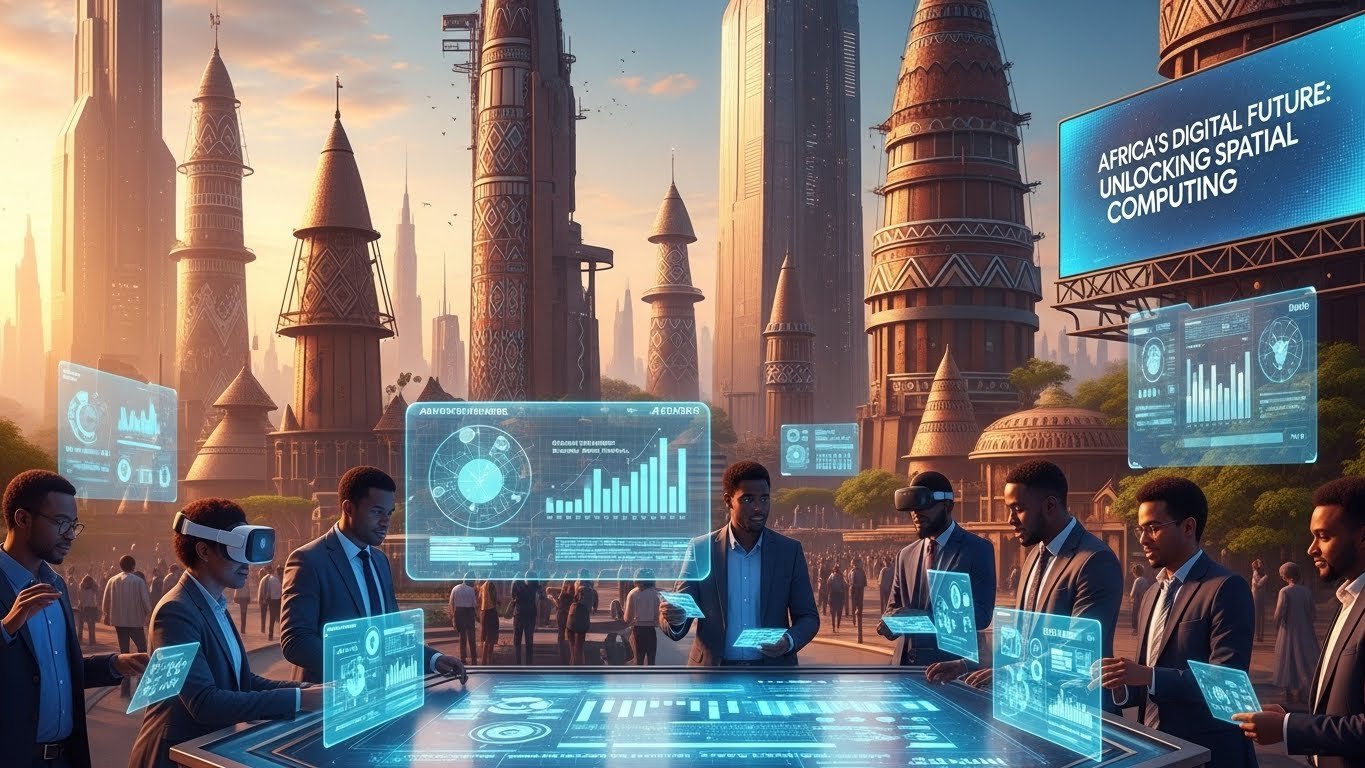
Africa’s digital growth has been largely driven by mobile technology. With millions accessing the internet primarily through smartphones, the continent has developed a mobile-first approach to innovation. This characteristic could play a crucial role in how spatial computing and the metaverse evolve in Africa.
While high-end virtual reality devices remain expensive, mobile-based augmented reality experiences are more accessible. These lighter forms of spatial computing can serve as entry points, allowing users to engage with immersive content without costly hardware. As connectivity improves, especially through expanding broadband and satellite internet, the foundation for deeper immersion becomes stronger.
Infrastructure Gaps and Technological Constraints
Despite progress, infrastructure remains uneven across the continent. Reliable electricity, high-speed internet, and advanced computing resources are not universally available. These gaps pose significant barriers to widespread adoption of metaverse platforms and advanced spatial computing applications.
However, Africa has a history of adapting technologies to local constraints. Innovations that prioritize low bandwidth usage, energy efficiency, and affordability could enable broader participation. The challenge lies in ensuring that infrastructure development keeps pace with technological ambition.
Economic Potential of Spatial Computing and the Metaverse in Africa
New Markets and Job Creation
One of the most compelling arguments for Africa’s engagement with spatial computing and the metaverse is economic opportunity. Virtual environments can support new business models, from digital real estate and virtual goods to remote collaboration and immersive services. These markets are not limited by geography, allowing African entrepreneurs to reach global audiences.
The rise of virtual jobs in areas such as 3D design, virtual architecture, and immersive storytelling could provide employment pathways for young Africans. As skills development aligns with these emerging fields, the metaverse could become a catalyst for inclusive economic growth.
Supporting Small Businesses and Creators
Africa’s creative industries are vibrant, spanning music, fashion, art, and storytelling. The metaverse offers new spaces for creators to showcase and monetize their work without traditional intermediaries. Virtual exhibitions, digital fashion shows, and immersive performances can amplify African culture on a global stage.
Spatial computing tools also enable small businesses to visualize products, train staff, and engage customers more effectively. By lowering barriers to entry, immersive technologies can empower local enterprises rather than concentrating value in large corporations.
Education, Healthcare, and Social Impact
Transforming Learning Through Immersion
Education is one of the sectors where spatial computing could have the greatest impact in Africa. Immersive learning environments allow students to explore complex concepts through experience rather than abstraction. Virtual laboratories, historical simulations, and interactive lessons can enhance understanding and retention.
In regions with limited physical resources, virtual classrooms can provide access to high-quality education. By integrating immersive learning technologies, Africa can address gaps in teacher availability and educational infrastructure while fostering curiosity and innovation.
Healthcare Applications and Remote Solutions
Healthcare systems across Africa face challenges related to access, training, and resource distribution. Spatial computing can support medical education through realistic simulations, enabling practitioners to practice procedures safely. Remote diagnostics and virtual consultations can also improve access to care in underserved areas. These applications highlight how the metaverse and spatial computing extend beyond entertainment, offering tangible social benefits that align with development goals.
Cultural Relevance and African Identity in the Metaverse
Preserving Culture in Digital Spaces
A critical factor in Africa’s ability to unlock metaverse opportunities is cultural relevance. Digital environments must reflect African identities, languages, and values to resonate with users. If the metaverse is dominated by external narratives, it risks becoming disconnected from local realities. African developers and creators play a vital role in shaping culturally grounded virtual experiences. By embedding indigenous knowledge, art, and storytelling into immersive platforms, the metaverse can become a space for cultural preservation as well as innovation.
Community-Centered Virtual Experiences
African societies often emphasize community and shared experiences. Spatial computing and the metaverse can reflect these values by prioritizing collaborative spaces over individualistic consumption. Virtual marketplaces, communal learning hubs, and social gatherings can mirror real-world social structures. This approach ensures that immersive technologies support social cohesion rather than isolation, making them more relevant and sustainable within African contexts.
Policy, Regulation, and Ethical Considerations
The Need for Forward-Thinking Policies
To fully unlock spatial computing and metaverse opportunities, Africa requires supportive and adaptive policy frameworks. Regulations must balance innovation with consumer protection, data privacy, and digital rights. Clear guidelines encourage investment while safeguarding users. Governments also play a role in integrating immersive technologies into public services and education systems. Strategic planning can ensure that these technologies contribute to national development objectives rather than remaining niche innovations.
Addressing Digital Inequality
Ethical considerations are central to Africa’s digital future. Without intentional inclusion, spatial computing and the metaverse could exacerbate existing inequalities. Ensuring affordability, accessibility, and digital literacy is essential for equitable participation. Public-private partnerships and community-driven initiatives can help bridge gaps. By prioritizing inclusion, Africa can shape a metaverse that reflects its diversity and aspirations.
Challenges That Could Limit Africa’s Progress
Cost Barriers and Hardware Accessibility
Advanced spatial computing often relies on specialized hardware such as VR headsets and sensors. These devices remain expensive for many Africans. Without affordable alternatives, adoption may be limited to elite segments. Innovations in lightweight, mobile-based experiences and shared access models could mitigate this challenge. The success of such solutions will determine how widely immersive technologies are adopted.
Skills Gaps and Talent Development
While Africa has a growing pool of tech talent, specialized skills in 3D design, immersive development, and spatial computing are still emerging. Investment in education and training is critical to building local capacity. By fostering talent development, Africa can move from being a consumer of immersive technologies to an active creator and innovator within the global metaverse ecosystem.
The Long-Term Outlook for Africa’s Metaverse Journey
Gradual Integration Rather Than Instant Transformation
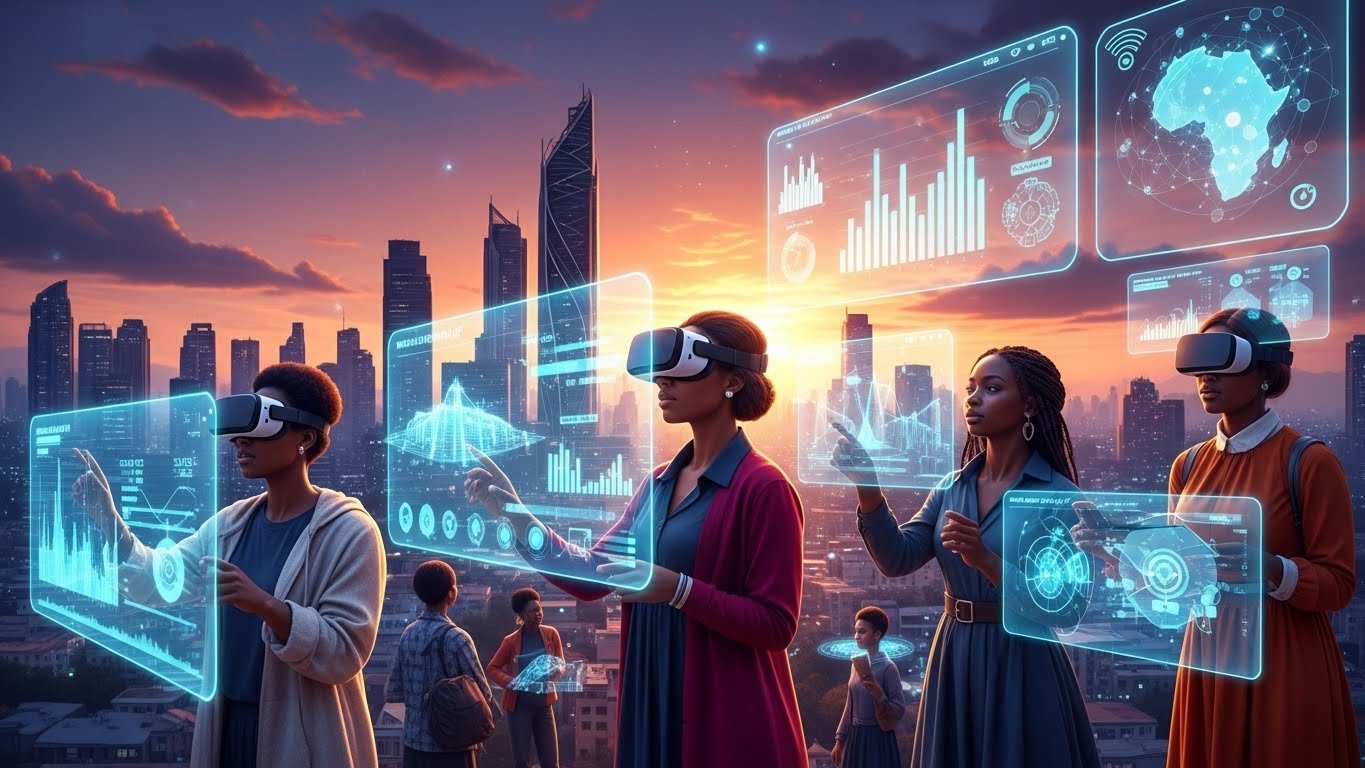
Africa’s path toward fully unlocking spatial computing and metaverse opportunities is likely to be gradual. Instead of rapid, large-scale adoption, progress will come through incremental integration into existing systems. Education, commerce, and creative industries may lead the way. This gradual approach allows for adaptation, learning, and alignment with local needs. It also reduces the risk of technological hype overshadowing practical value.
Africa as a Unique Contributor to the Global Metaverse
Rather than simply adopting global models, Africa has the potential to contribute unique perspectives to the metaverse. Its experiences with mobile innovation, community-driven solutions, and cultural diversity can shape alternative approaches to immersive technology. By leveraging these strengths, Africa can influence how spatial computing and the metaverse evolve worldwide, positioning itself not just as a participant but as a contributor.
Conclusion
Africa can unlock spatial computing and metaverse opportunities, but success depends on intentional strategy, inclusive design, and sustained investment. The continent’s young population, creative energy, and history of technological leapfrogging provide a strong foundation. At the same time, infrastructure, affordability, and skills development remain critical challenges.
If governments, innovators, and communities collaborate effectively, spatial computing and the metaverse can become tools for economic growth, social impact, and cultural expression. Rather than replicating external models, Africa has the opportunity to shape immersive technologies in ways that reflect its realities and aspirations. The journey will be complex, but the potential rewards are transformative.
FAQs
Q: What makes Africa uniquely positioned for spatial computing and metaverse growth?
Africa’s young population, mobile-first innovation culture, and growing tech ecosystems create a strong foundation for immersive technologies. These factors enable experimentation with new digital models that may differ from those in more established markets.
Q: How can spatial computing benefit education systems in Africa?
Spatial computing can enhance education by providing immersive, interactive learning experiences that overcome resource limitations. Virtual labs and simulations can make complex subjects more accessible and engaging for students across the continent.
Q: Are metaverse opportunities in Africa limited by infrastructure challenges?
Infrastructure challenges do pose limitations, particularly in connectivity and power supply. However, Africa’s history of adapting technology to local conditions suggests that innovative, low-resource solutions can enable meaningful participation.
Q: How important is cultural relevance in Africa’s metaverse development?
Cultural relevance is essential for adoption and sustainability. Metaverse platforms that reflect African identities, languages, and social values are more likely to resonate with users and support long-term engagement.
Q: Can the metaverse help reduce unemployment in Africa?
The metaverse can create new job opportunities in areas such as digital design, virtual services, and creative industries. While it is not a standalone solution, it can complement broader economic strategies focused on skills development and entrepreneurship.
