


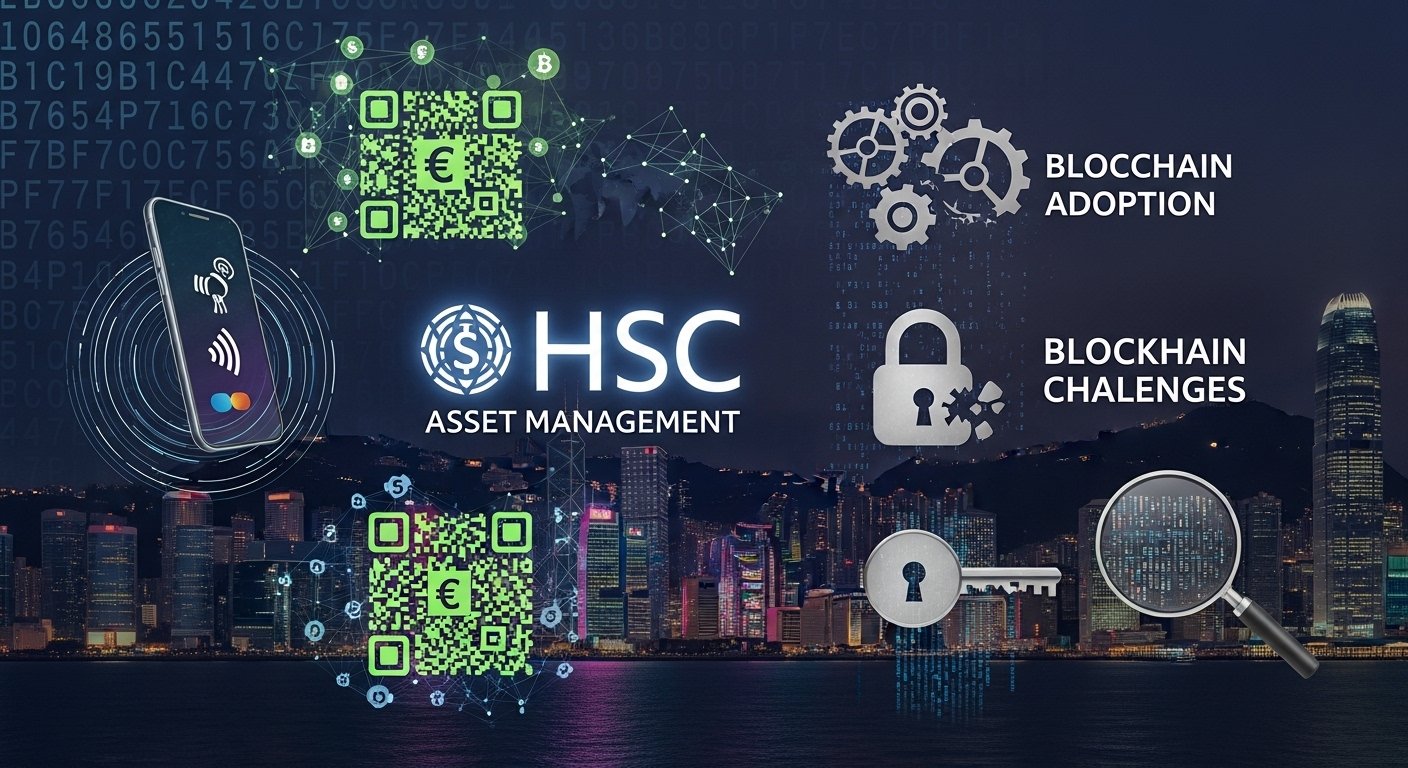
HSC Asset Management Hong Kong has drawn attention to the rapid evolution of digital payment systems and the growing influence of blockchain technology in reshaping global finance. As financial markets become increasingly digitized, asset managers, institutional investors, and fintech innovators are closely examining how digital payments, blockchain adoption, and decentralized financial infrastructure are transforming capital flows and transactional efficiency. In this evolving landscape, Hong Kong remains a strategic financial hub, uniquely positioned to bridge traditional finance and emerging financial technology innovation.
The spotlight from HSC Asset Management Hong Kong reflects a broader industry shift toward integrating blockchain solutions into asset management, cross-border payments, and portfolio diversification strategies. Digital payment ecosystems have matured rapidly over the past decade, driven by consumer demand for speed, security, and convenience. Meanwhile, blockchain adoption introduces transparency, immutability, and programmable functionality that challenge conventional banking frameworks.
This convergence of digital payments and blockchain presents both opportunities and obstacles. On one hand, it enables seamless global transactions and enhanced asset tokenization. On the other, it raises regulatory, technical, and operational complexities that must be carefully managed. By exploring digital payment trends and identifying challenges in blockchain adoption, HSC Asset Management Hong Kong contributes to the ongoing dialogue about the future of finance in Asia and beyond.
The Rise of Digital Payment Trends in Hong Kong
Hong Kong has long been recognized as a leading financial center, and its digital payment ecosystem reflects this reputation. Rapid smartphone penetration, strong banking infrastructure, and proactive regulatory frameworks have accelerated the adoption of cashless transactions and mobile payment platforms. Consumers and businesses alike increasingly prefer digital wallets, QR-based transactions, and online payment gateways over traditional cash-based systems.
HSC Asset Management Hong Kong emphasizes that digital payment trends are not merely about convenience. They represent a structural transformation in how value is exchanged, recorded, and monitored. Digital payments enable real-time settlement, reduce operational costs, and improve transparency within financial systems. For asset managers, this shift enhances liquidity management, transaction tracking, and compliance monitoring.
The integration of blockchain into digital payments further strengthens these advantages. Distributed ledger technology ensures secure record-keeping and minimizes fraud risk, making it attractive for institutions seeking robust payment infrastructure. As digital payment trends evolve, blockchain adoption becomes a natural extension of modernization efforts.
Mobile Wallets and Cross-Border Transactions
One key aspect of digital payment trends is the growth of mobile wallets and cross-border transaction platforms. In a globalized economy, seamless international payments are essential for trade, investment, and remittances. Blockchain-powered systems reduce transaction delays and intermediary costs, offering faster settlement times compared to traditional banking rails.
HSC Asset Management Hong Kong recognizes that cross-border payment efficiency is particularly important in Asia’s interconnected markets. By leveraging distributed ledger technology, financial institutions can streamline remittances, enhance transparency, and mitigate currency conversion inefficiencies.
Blockchain Adoption in Asset Management
Blockchain adoption is reshaping asset management by introducing tokenization, smart contracts, and automated compliance mechanisms. For firms like HSC Asset Management Hong Kong, blockchain offers opportunities to enhance operational efficiency and unlock new investment products.
Asset tokenization enables fractional ownership of securities, real estate, and alternative investments. This innovation increases market accessibility and liquidity, allowing investors to diversify portfolios with lower entry barriers. Through smart contract automation, transactions can be executed with predefined conditions, reducing manual oversight and operational risk.
However, blockchain adoption also demands robust cybersecurity frameworks and regulatory alignment. Asset managers must balance innovation with compliance, ensuring that digital assets are securely managed and legally recognized.
Smart Contracts and Operational Efficiency
Smart contracts play a central role in blockchain adoption. These self-executing agreements automate processes such as dividend distribution, compliance checks, and settlement procedures. For asset management firms, this reduces administrative overhead and enhances accuracy.
HSC Asset Management Hong Kong highlights that operational efficiency gained through smart contracts can improve investor confidence. Transparent transaction histories and immutable records strengthen trust, particularly in volatile markets.
Challenges in Blockchain Adoption
While blockchain adoption promises efficiency and transparency, several challenges remain. Regulatory uncertainty is a primary concern. Financial institutions must navigate evolving policies related to digital assets, data privacy, and cross-border transactions. Compliance requirements vary across jurisdictions, complicating global integration efforts.
Scalability is another challenge. As transaction volumes increase, blockchain networks must maintain speed and security without compromising decentralization. Infrastructure upgrades and interoperability solutions are essential to support widespread adoption.
HSC Asset Management Hong Kong notes that education and talent acquisition also influence adoption rates. Skilled professionals capable of developing and maintaining blockchain systems are in high demand. Organizations must invest in training and technological expertise to remain competitive.
Regulatory and Compliance Considerations
Regulatory clarity is crucial for sustainable blockchain adoption. Authorities in Hong Kong and other financial hubs are actively developing frameworks to govern digital asset issuance and trading. Clear guidelines enhance institutional confidence and encourage responsible innovation.
HSC Asset Management Hong Kong underscores the importance of collaboration between regulators and industry participants. Transparent dialogue ensures that blockchain adoption aligns with financial stability objectives and investor protection standards.
Digital Payment Security and Risk Management
As digital payment systems expand, cybersecurity becomes increasingly critical. Blockchain technology enhances security through cryptographic mechanisms, but vulnerabilities can still arise from smart contract flaws or external attacks. Asset managers must implement comprehensive risk management protocols to safeguard client assets.
HSC Asset Management Hong Kong emphasizes proactive monitoring, penetration testing, and system audits as essential components of digital payment security. Integrating cybersecurity frameworks with blockchain infrastructure strengthens resilience against fraud and unauthorized access.
Risk management extends beyond technology. Market volatility in digital assets requires careful portfolio allocation and hedging strategies. Asset managers must balance innovation with prudent financial oversight.
Opportunities for Financial Innovation

Despite challenges, blockchain adoption opens avenues for financial innovation. Digital payment integration with tokenized assets can create hybrid investment models, blending traditional securities with blockchain-based instruments. This evolution supports more dynamic capital markets and diversified portfolios.
HSC Asset Management Hong Kong views digital payment trends as catalysts for fintech partnerships and ecosystem growth. Collaboration between banks, fintech startups, and regulatory bodies fosters an environment conducive to innovation.
Emerging concepts such as central bank digital currencies (CBDCs) and tokenized funds illustrate the potential for further transformation. These initiatives aim to enhance monetary policy efficiency and streamline settlement processes, reinforcing Hong Kong’s role as a digital finance pioneer.
Institutional Participation and Market Confidence
Institutional participation is essential for mainstream blockchain adoption. As large asset managers integrate digital payment systems and tokenization frameworks, market confidence strengthens. Institutional involvement also promotes standardization and risk mitigation practices.
HSC Asset Management Hong Kong’s spotlight on digital payment trends signals growing institutional acknowledgment of blockchain’s transformative potential. This endorsement encourages broader adoption among smaller firms and retail investors.
The Future of Blockchain and Digital Payments in Hong Kong
Looking ahead, the convergence of blockchain adoption and digital payment innovation will continue to reshape Hong Kong’s financial landscape. Advancements in scalability, interoperability, and regulatory clarity will determine the pace of transformation.
HSC Asset Management Hong Kong anticipates greater integration between traditional banking infrastructure and decentralized systems. Hybrid models combining centralized oversight with blockchain transparency may become standard practice.
Education, research, and policy development will play critical roles in sustaining momentum. By fostering collaboration across sectors, Hong Kong can strengthen its position as a global fintech leader.
Conclusion
HSC Asset Management Hong Kong’s spotlight on digital payment trends and challenges in blockchain adoption reflects the evolving dynamics of modern finance. Digital payments have become foundational to economic activity, while blockchain technology introduces unprecedented transparency, efficiency, and programmability. Together, these forces are redefining asset management, cross-border transactions, and investment strategies.
Although regulatory, technical, and operational challenges remain, proactive collaboration and innovation can mitigate risks. As blockchain adoption advances and digital payment ecosystems mature, Hong Kong stands poised to lead the next phase of financial transformation. HSC Asset Management Hong Kong’s insights underscore the importance of strategic planning, technological investment, and regulatory alignment in shaping a secure and inclusive digital financial future.
FAQs
Q: How does HSC Asset Management Hong Kong view the role of digital payments in modern finance?
HSC Asset Management Hong Kong views digital payments as a foundational transformation rather than a temporary trend. Digital payment systems enhance transaction speed, transparency, and operational efficiency. They also support cross-border commerce and liquidity management. By integrating blockchain technology, digital payments gain additional security and programmability, strengthening their role in modern asset management and financial services.
Q: What are the primary challenges in blockchain adoption for asset managers?
The primary challenges include regulatory uncertainty, scalability limitations, cybersecurity risks, and talent shortages. Asset managers must comply with evolving digital asset regulations while ensuring technological resilience. Blockchain infrastructure must handle high transaction volumes securely. Additionally, firms need skilled professionals capable of implementing and maintaining decentralized systems effectively.
Q: Why is Hong Kong considered a strategic hub for blockchain and digital payment innovation?
Hong Kong combines strong financial infrastructure, proactive regulatory development, and a vibrant fintech ecosystem. Its strategic location in Asia facilitates cross-border transactions and international investment flows. By encouraging collaboration between regulators and industry participants, Hong Kong fosters innovation while maintaining financial stability, making it an ideal environment for blockchain adoption.
Q: How can blockchain improve cross-border payment systems?
Blockchain reduces reliance on intermediaries, enabling faster and more cost-efficient cross-border transactions. Distributed ledger technology ensures transparency and minimizes settlement delays. Smart contracts automate compliance and reconciliation processes, improving accuracy and reducing operational costs. These enhancements create a more efficient and secure global payment ecosystem.
Q: What future developments could shape digital payments and blockchain adoption in Hong Kong?
Future developments may include broader implementation of central bank digital currencies, increased asset tokenization, enhanced interoperability between blockchain networks, and clearer regulatory frameworks. Institutional participation and fintech collaboration will likely accelerate innovation. As technology evolves, hybrid financial models integrating traditional systems with blockchain infrastructure may become the norm, strengthening Hong Kong’s leadership in digital finance.
