

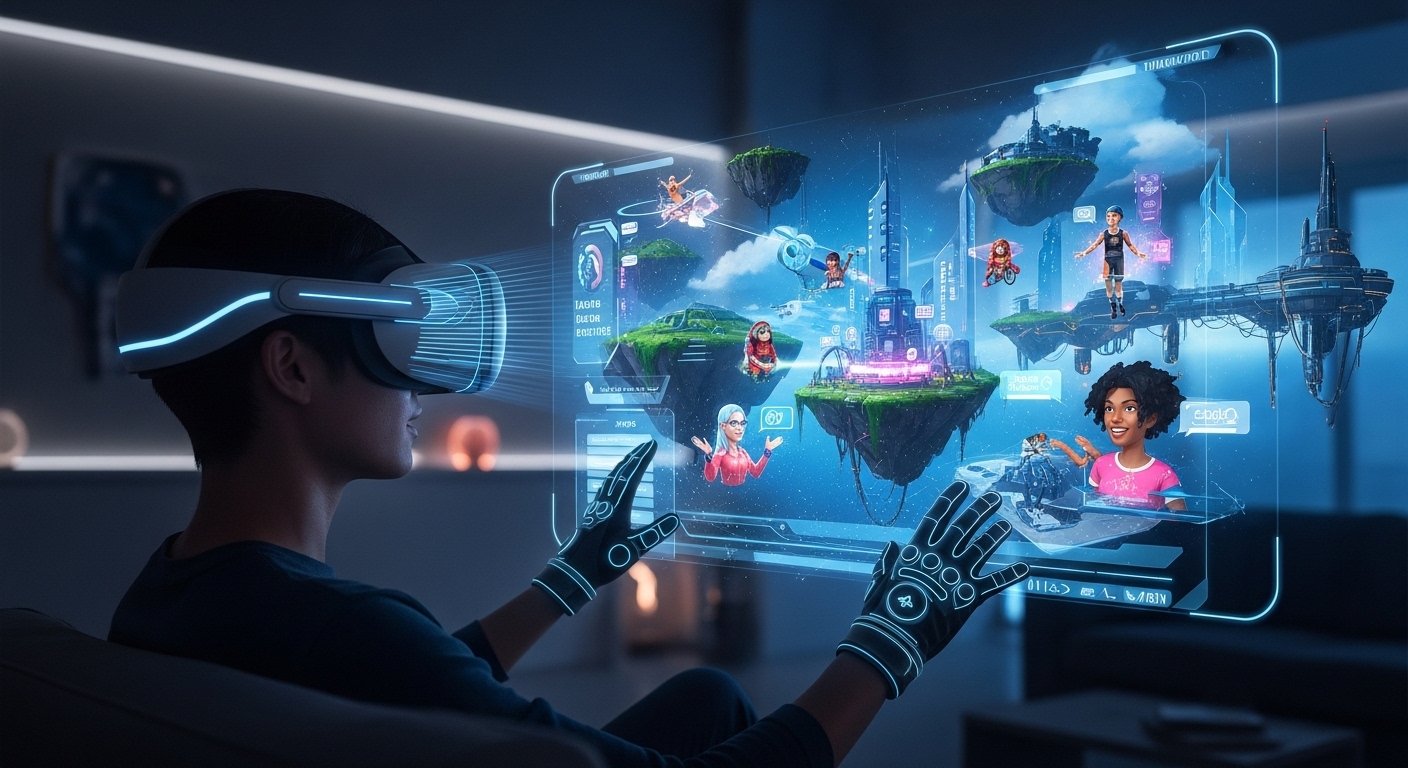
In the past decade, the digital landscape has evolved at an unprecedented pace. From social media marketing to artificial intelligence-driven advertising, brands have constantly chased the next technological breakthrough to capture consumer attention. One of the most prominent trends in recent years has been the rise of the Metaverse, a concept promising immersive digital experiences where brands can interact with customers in virtual worlds. Companies across industries rushed to invest in virtual environments, digital avatars, NFT campaigns, and immersive brand experiences, believing these innovations would redefine how businesses connect with their audiences.
However, despite billions of dollars invested in tech-driven branding, many companies have discovered an uncomfortable truth: technology alone does not create meaningful human connection. The excitement around futuristic platforms often overshadows the fundamental principle of branding—building authentic relationships with people. While the Metaverse marketing strategy promises engagement and innovation, it frequently fails to address the deeper emotional and psychological elements that drive trust and loyalty.
This growing gap between technological capability and human connection raises an important question. Why do so many brands struggle to translate cutting-edge digital innovation into genuine relationships with their audiences? The answer lies not in the technology itself but in how brands approach it.
The journey from Metaverse to meaning requires companies to rethink their approach to branding, moving beyond flashy digital experiences toward deeper emotional engagement. Understanding what tech-driven branding gets wrong about connection is essential for marketers who want to build lasting relationships in an increasingly digital world.
The Rise of Tech-Driven Branding
The modern marketing landscape is dominated by technology. From AI-powered marketing tools to data-driven customer insights, brands now have more resources than ever to analyze consumer behavior and optimize campaigns.
The emergence of the Metaverse economy accelerated this trend. Businesses saw an opportunity to create immersive environments where consumers could interact with products, attend virtual events, and participate in digital communities. Fashion brands launched virtual clothing collections, entertainment companies hosted concerts in virtual worlds, and technology firms promoted entire ecosystems built around immersive digital experiences.
The appeal of tech-driven branding strategies lies in their ability to create novel interactions. Instead of simply viewing advertisements, consumers can enter branded environments, interact with digital products, and share experiences with others. For marketers, these experiences represent a new frontier of engagement.
Yet the excitement surrounding these innovations sometimes distracts brands from the essential purpose of marketing: creating meaningful relationships. Technology can amplify connection, but it cannot replace it.
The Metaverse Hype vs. Human Reality
The Promise of Immersive Experiences
Advocates of the Metaverse marketing revolution often emphasize the potential for unprecedented levels of engagement. Virtual worlds allow brands to create elaborate environments where customers can explore products, attend events, and socialize with other users.
These environments are designed to simulate real-life interactions. Consumers can use digital avatars, walk through virtual storefronts, and interact with branded content in ways that traditional advertising cannot replicate. In theory, this immersive experience should strengthen emotional bonds between brands and audiences.
However, the reality has been more complicated.
Why Technology Alone Cannot Create Meaning
Despite impressive technological capabilities, many Metaverse brand activations struggle to maintain long-term engagement. Initial curiosity may attract users, but without genuine emotional value, these experiences quickly lose relevance.
Human connection is built on trust, empathy, and shared values. These elements cannot be fully replicated through technology alone. While immersive marketing campaigns can capture attention, they often lack the emotional depth needed to create lasting loyalty.
In other words, technology may create the environment for connection, but it cannot manufacture the feeling itself.
The Fundamental Problem with Tech-Centric Branding
Overemphasis on Innovation Instead of Purpose
One of the most common mistakes in technology-driven branding is prioritizing innovation over meaning. Companies become so focused on showcasing their technological capabilities that they forget to communicate why their brand matters.
Consumers are not inherently interested in advanced digital platforms or sophisticated algorithms. What they care about is how a brand improves their lives, reflects their values, or addresses their needs.
When brands prioritize digital transformation marketing without clarifying their purpose, the result is often an experience that feels impressive but emotionally hollow.
The Illusion of Engagement
Another challenge with Metaverse marketing strategies is the misconception that interaction equals connection. Just because consumers spend time exploring a virtual environment does not mean they feel emotionally attached to the brand.
True connection involves trust, authenticity, and shared identity. These elements develop over time through consistent storytelling, transparency, and meaningful communication.
Many immersive brand experiences fail because they treat engagement metrics as substitutes for genuine relationships.
Understanding Real Human Connection in Branding
The Role of Emotional Intelligence in Marketing
At the heart of meaningful branding lies emotional intelligence in marketing. Successful brands understand not only what their audiences do but also how they feel.
While AI-driven customer analytics can reveal behavioral patterns, emotional understanding requires empathy and cultural awareness. Brands that cultivate emotional intelligence create messages that resonate deeply with their audiences.
For example, storytelling that reflects real human experiences often generates stronger engagement than flashy technological demonstrations.
Authenticity as the Foundation of Trust
Another essential component of meaningful branding is authentic brand storytelling. Consumers today are highly sensitive to insincerity. When brands appear to adopt new technologies purely for publicity or trend participation, audiences quickly notice.
Authenticity requires consistency between a brand’s actions, values, and messaging. Whether operating in physical spaces or virtual brand ecosystems, companies must demonstrate genuine commitment to their communities.
Without authenticity, even the most advanced digital experiences will struggle to build trust.

The Psychological Gap in Virtual Experiences
Why Digital Worlds Feel Emotionally Distant
While virtual reality branding and Metaverse engagement strategies offer innovative opportunities, they also introduce psychological barriers. Digital environments can sometimes feel detached from everyday life, making it difficult for consumers to form deep emotional bonds.
In physical environments, sensory cues such as touch, smell, and spontaneous human interaction contribute to emotional connection. These elements are difficult to replicate in digital spaces.
As a result, immersive marketing technologies often prioritize visual spectacle while neglecting the subtle emotional signals that shape human relationships.
The Risk of Digital Fatigue
Another overlooked issue in tech-driven marketing ecosystems is digital fatigue. Consumers already spend significant portions of their day interacting with screens. Adding more virtual experiences does not necessarily increase satisfaction.
Instead, audiences may begin to crave authenticity, simplicity, and real-world interaction. Brands that rely solely on Metaverse branding strategies risk overwhelming their audiences rather than connecting with them.
Moving from Metaverse Hype to Meaningful Branding
Re-centering the Human Experience
The transition from Metaverse hype to meaningful branding requires companies to refocus on the human experience. Technology should serve as a tool to enhance connection, not replace it.
Successful brands integrate digital innovation strategies with clear narratives about purpose, identity, and community. Instead of asking how technology can impress audiences, they ask how it can support meaningful relationships.
This shift in perspective transforms technology from a spectacle into a supportive framework for authentic communication.
Integrating Technology with Storytelling
One of the most effective ways to create meaningful digital brand experiences is by combining technology with compelling storytelling. Stories help audiences understand why a brand exists and how it fits into their lives. When immersive technologies are used to deepen narratives rather than simply showcase innovation, they become powerful tools for engagement. For example, a virtual environment that tells the story of a brand’s mission or community impact can resonate far more deeply than one designed purely for entertainment.
The Future of Connection in a Digital Age
Hybrid Experiences Will Define Modern Branding
The future of branding will likely involve a balance between physical and digital interactions. Hybrid brand experiences that combine real-world engagement with digital enhancement are becoming increasingly important. These experiences allow brands to maintain the emotional richness of physical interaction while leveraging the convenience and scalability of technology. For example, events that blend in-person participation with immersive virtual environments can expand reach while preserving human connection.
Community Over Technology
Another key shift in the future of branding is the emphasis on community-driven marketing. Rather than focusing exclusively on technological platforms, brands will prioritize building communities where people feel a sense of belonging. Communities thrive on shared identity, participation, and mutual support. Technology can facilitate these interactions, but it cannot substitute for them.
Brands that focus on nurturing genuine communities will ultimately create stronger loyalty than those that prioritize technological novelty.

Conclusion
The rapid evolution of digital technology has transformed the marketing landscape, offering brands unprecedented opportunities to innovate and engage audiences. The rise of the Metaverse and other immersive platforms has fueled excitement about the potential of tech-driven branding to revolutionize customer relationships.
However, the journey from Metaverse to meaning reveals a critical lesson. Technology alone cannot create genuine human connection. While immersive digital experiences, virtual brand environments, and AI-powered marketing tools can enhance engagement, they must be grounded in authenticity, empathy, and purpose.
Brands that succeed in the future will not simply adopt new technologies; they will use them thoughtfully to support meaningful relationships. By prioritizing emotional intelligence, authentic storytelling, and community engagement, companies can bridge the gap between technological innovation and genuine human connection. Ultimately, the most powerful branding strategies will not be defined by the sophistication of their technology but by the depth of the relationships they create.
FAQs
Q: Why do many Metaverse marketing campaigns fail to create lasting connections?
Many Metaverse marketing campaigns struggle because they prioritize technological spectacle over emotional value. While immersive digital environments can attract initial curiosity, lasting connections require trust, authenticity, and meaningful storytelling. Without these elements, virtual experiences may feel impressive but fail to build genuine relationships with audiences.
Q: How can brands balance technology and human connection in modern marketing?
Brands can achieve this balance by treating technology as a supportive tool rather than the central focus of their strategy. Integrating digital innovation, authentic storytelling, and community engagement allows companies to use advanced platforms without losing the human element that drives loyalty and trust.
Q: What role does storytelling play in tech-driven branding strategies?
Storytelling helps give technology purpose. When immersive experiences are built around meaningful narratives, audiences understand the brand’s mission and values more clearly. This emotional context transforms digital interactions into memorable experiences that resonate beyond the technology itself.
Q: Is the Metaverse still important for the future of branding?
The Metaverse remains an important experimental space for digital interaction and innovation. However, its long-term success in branding will depend on how effectively companies integrate human-centered design, community engagement, and authentic brand values into their virtual experiences.
Q: What lessons should marketers learn from the limitations of tech-driven branding?
The most important lesson is that technology cannot replace genuine relationships. Marketers should focus on empathy, authenticity, and purpose while using digital tools to enhance these qualities. When brands prioritize meaning over novelty, they create deeper and more sustainable connections with their audiences.
